
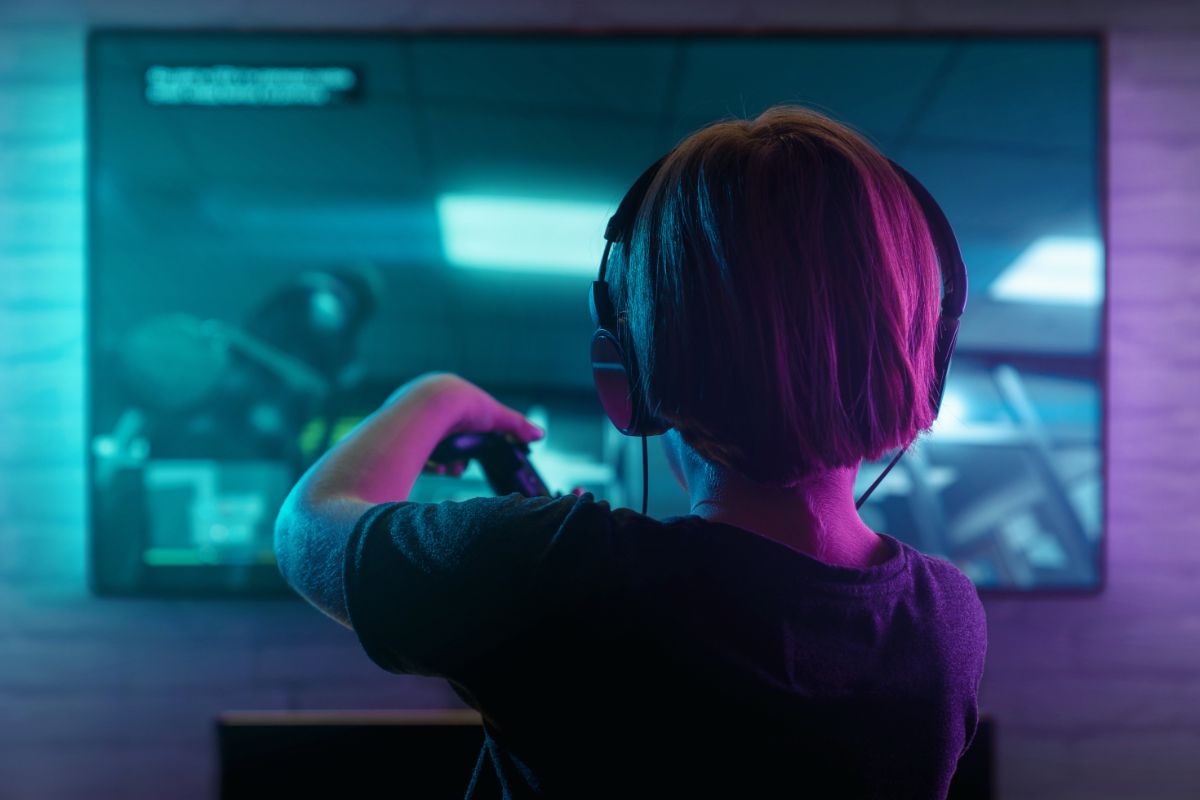
Video games can be a source of fun, learning, and even social connection for children, but excessive gaming or exposure to inappropriate content can have negative impacts. As a parent, finding the balance between allowing your child to enjoy video games and ensuring healthy habits is key. Here’s a guide from this boarding school in the UK to help you monitor your child’s video game use effectively.
Understand the Games They Play
Take time to learn about the games your child is playing. Check the content ratings, such as those provided by the ESRB (Entertainment Software Rating Board), to ensure the game is age-appropriate. Play the game yourself or watch gameplay videos to understand its themes, mechanics, and objectives.
Set Clear Time Limits
Establish rules about how much time your child can spend gaming each day. The American Academy of Paediatrics recommends no more than 1-2 hours of recreational screen time per day for children. Use tools like parental controls on consoles and devices to enforce these limits automatically.
Create a Balanced Routine
Encourage a balance between video games and other activities, such as schoolwork, outdoor play, hobbies, and family time. A structured schedule can help ensure gaming doesn’t interfere with essential responsibilities or real-world social interactions.
Use Parental Controls
Most gaming platforms offer parental control settings to manage your child’s experience. These tools allow you to:
- Restrict access to age-inappropriate games.
- Set playtime limits.
- Control online interactions, such as voice or text chat.
- Monitor purchases to prevent unauthorised spending.
Take advantage of these features to create a safer gaming environment.
Encourage Open Communication
Talk to your child about their gaming experiences. Ask them what they enjoy about their favourite games and who they play with online. This not only helps you understand their perspective but also creates an opportunity to discuss potential risks, such as cyberbullying or exposure to harmful content.
Watch for Signs of Overuse
Excessive gaming can lead to problems like sleep deprivation, declining grades, or irritability. Watch for warning signs such as:
- Difficulty stopping play or constant preoccupation with gaming.
- Neglecting responsibilities or losing interest in other activities.
- Increased frustration, especially when asked to stop playing.
If you notice these behaviours, it may be time to reassess their gaming habits and implement stricter boundaries.
Promote Healthy Gaming Habits
Teach your child to take regular breaks, stay hydrated, and maintain good posture while gaming. Encourage them to play games that promote creativity, problem-solving, or teamwork rather than those that focus solely on violence or competition.
Be a Role Model
Children often mimic their parents’ behaviour. If you play video games, demonstrate moderation and balance by setting a positive example.
Video games can be a valuable and enjoyable part of your child’s life when approached with mindfulness and moderation. By understanding their gaming habits, setting clear boundaries, and fostering open communication, you can ensure they enjoy video games in a healthy and safe way.
Ultimately, the goal isn’t to eliminate gaming but to guide your child in making positive choices that enrich their lives both online and offline.
*This is a collaborative post


