
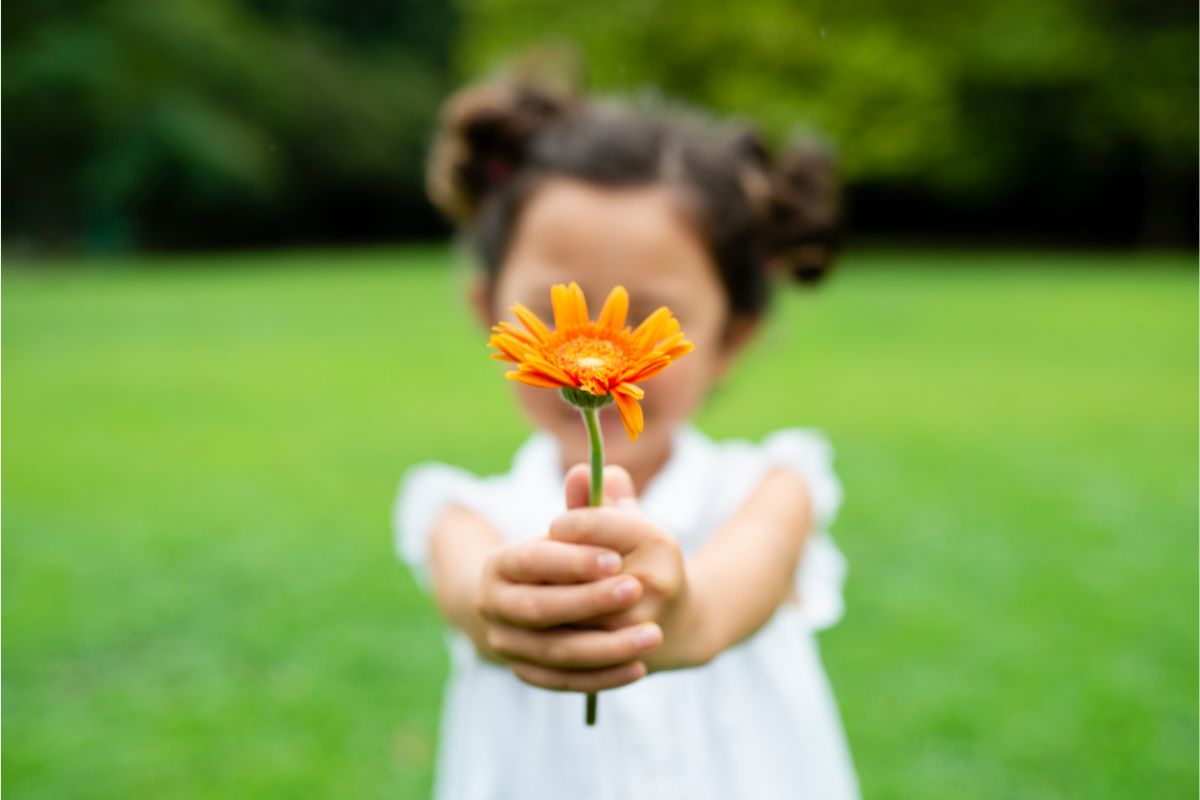
Gratitude is more than saying “thank you”—it’s a mindset that encourages children to recognise and appreciate the people, experiences, and opportunities in their lives. Developing gratitude early on can help children build empathy, strengthen relationships, and develop a positive outlook, which benefits their emotional and social well-being. As a parent, you have a unique opportunity to guide your child in cultivating this valuable habit.
Model Gratitude Yourself
Children learn a lot by observing their parents. Express gratitude in your daily life—thank others for their help, appreciate small acts of kindness, and acknowledge your own blessings. When children see gratitude modeled consistently, they are more likely to adopt it naturally.
Encourage Reflection
Helping your child pause and reflect on positive experiences encourages awareness and appreciation. Try creating simple routines, such as sharing one thing each day that they are thankful for at dinner, bedtime, or during the car ride. Over time, reflection helps children recognise the good in their lives, even during challenging moments.
Teach Empathy
Gratitude is closely linked to empathy. Encourage your child to consider other people’s feelings and perspectives. Discuss how small actions, like helping a friend or giving a compliment, can positively impact others. Understanding the effort or kindness behind these actions strengthens their sense of appreciation.
Practice Acts of Kindness
Gratitude grows when children actively give and contribute, and it is something that King Edwards School motivates students to strive for. Involve your child in acts of kindness such as helping a neighbor, donating toys, or volunteering together. Participating in these activities not only teaches appreciation for what they have but also reinforces the value of generosity and compassion.
Celebrate Effort, Not Just Results
Encourage your child to recognise and appreciate effort, whether their own or others’. For example, praise a friend’s dedication in a team project or celebrate personal perseverance in learning a new skill. Focusing on effort helps children value the process and the people behind accomplishments, fostering gratitude naturally.
Create Meaningful Traditions
Family rituals that emphasise gratitude can strengthen this habit. Simple traditions such as sharing a “gratitude jar,” writing thank-you notes, or reflecting on the week’s positive moments can make appreciation a tangible, enjoyable practice.
Use Challenges as Teaching Moments
Even when things don’t go as planned, help your child identify lessons or positives in the situation. Learning to see the silver lining cultivates resilience and gratitude, helping children understand that appreciation isn’t just for easy or perfect moments but for life as a whole.
Final Thoughts
Instilling gratitude in children is a gradual process that grows through observation, reflection, and practice. By modeling appreciation, encouraging empathy, celebrating effort, and creating opportunities for kindness, parents can help their children develop a mindset that values the people and experiences in their lives. Over time, these habits nurture a positive, resilient, and emotionally intelligent child who is prepared to face the world with appreciation and compassion.
At King Edwards School in Witley, Surrey, children have been developing their skills academically, socially and emotionally for over 450 years. You can read more about their success at https://www.kesw.org/
*This is a collaborative post


